
Find Rowan County Bankruptcy Records
Rowan County bankruptcy records are managed by the Winston-Salem Division of the Middle District of North Carolina. The county seat is Salisbury, a historic city with roots going back to the colonial era. Bankruptcy filings from Rowan County residents are stored in the federal court system. You can search these records online through PACER or call the court for basic case details. This guide explains how to access Rowan County bankruptcy records and what to expect in the filings.
Rowan County Quick Facts
Rowan County Federal Bankruptcy Court
Rowan County falls under the Winston-Salem Division of the Middle District of North Carolina Bankruptcy Court. The division office is located at 226 S. Liberty Street in Winston-Salem, NC 27101. You can call 336-397-7785 for information about Rowan County cases. The office is open from 8:00 a.m. to 5:00 p.m. on weekdays.
The Winston-Salem Division serves Cabarrus, Davidson, Davie, Rowan, and Stanly counties. All bankruptcy petitions from Rowan County are assigned here. The historic Rowan County administrative offices sit at 130 W. Innes Street in Salisbury, housed in a former U.S. Post Office and Federal Courthouse built in 1911. The building is made of white Italian marble and was restored in 1996.
Note: State court records for Rowan County are separate from federal bankruptcy filings and are handled by the Clerk of Superior Court in Salisbury.
How to Search Rowan County Bankruptcy Cases
PACER is the primary tool for finding Rowan County bankruptcy records. Create a free account and search by the debtor's name or case number. The system charges a small per-page fee, but the first $30 each quarter is waived. PACER covers all cases in the Middle District, including every filing from Rowan County.
You can also use the Voice Case Information System. Call 866-222-8029 for free case data. VCIS provides case status, filing dates, and discharge dates over the phone. The system works around the clock. It covers all Rowan County bankruptcy cases in the Middle District.
The court has public access terminals at the Winston-Salem office. These let you view case records at no cost. Walk in during business hours and use the terminals to look up Rowan County bankruptcy filings. Staff can point you to the right terminal and help with basic search questions.
For state court records in Rowan County, the NC eCourts portal provides online access. Search by name or case number. This tool covers civil, criminal, and special proceedings at the state level in Rowan County.
Contents of Rowan County Bankruptcy Filings
Each Rowan County bankruptcy case file holds many documents. The petition is filed first. It gives the debtor's name, address, and the chapter they chose. Schedules list debts, assets, income, and monthly costs. The statement of financial affairs covers the debtor's recent transactions and financial history.
Under 11 U.S.C. § 107, bankruptcy filings are public records. Anyone can request access to most documents in a Rowan County case. Some personal data like full Social Security numbers are redacted for privacy. Tax returns may be sealed. But creditor lists, debt amounts, and court orders are all part of the public file.
The Middle District court website shown below provides forms, local rules, and filing guidance for Rowan County cases.
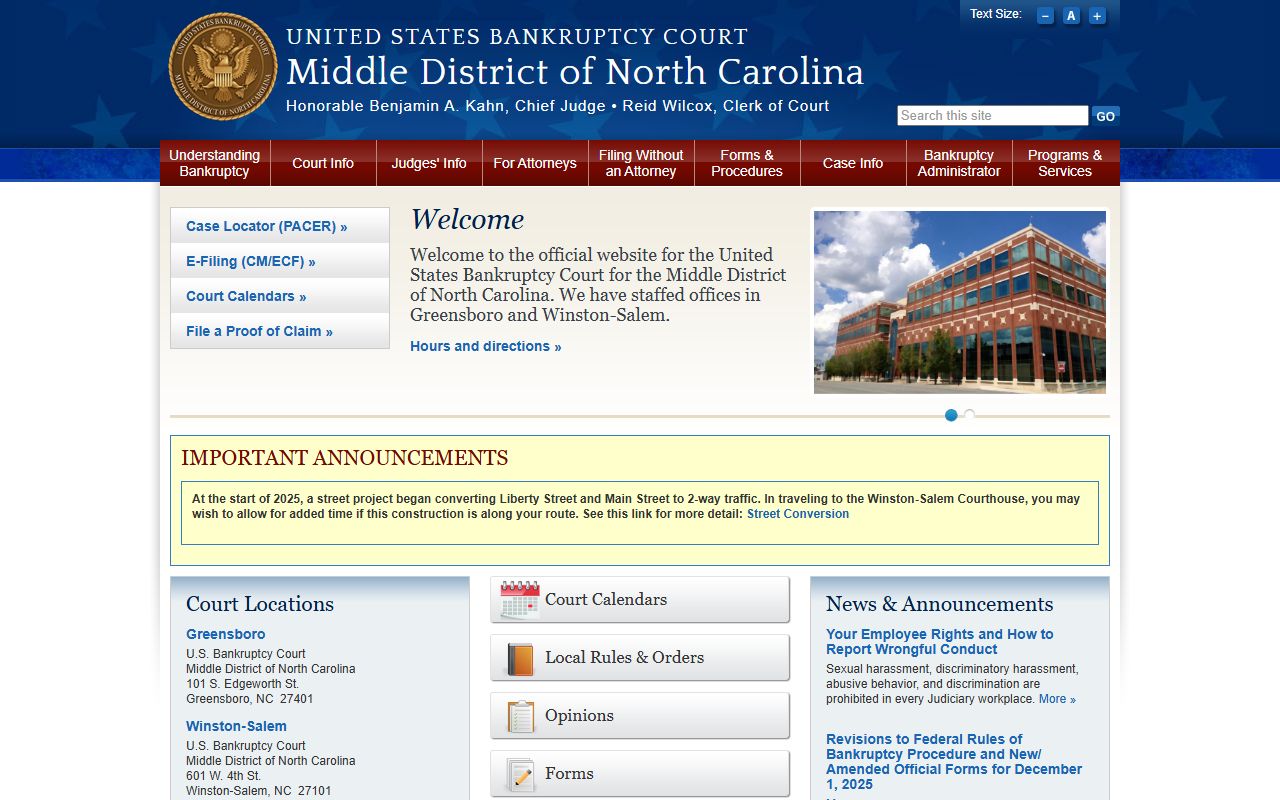
The site includes a CM/ECF system for electronic filings and a help email at CMECFhelp@ncmb.uscourts.gov for technical questions about Rowan County case access.
Bankruptcy Chapters Filed in Rowan County
Chapter 7 and Chapter 13 are the most common types of bankruptcy in Rowan County. Chapter 7 liquidates non-exempt assets to pay debts. Most filers keep all their property because exemptions cover it. The process takes about four months from start to discharge.
Chapter 13 creates a repayment plan. Rowan County filers pay a trustee each month for three to five years. This plan lets people keep their home and car while catching up on missed payments. The court in Winston-Salem must approve the plan before it takes effect.
Less common filings include:
- Chapter 11 for business reorganization
- Chapter 12 for family farmers
- Adversary proceedings within a bankruptcy case
- Motions for relief from the automatic stay
All of these create records in the Rowan County case file. Each document is stored in the Middle District system and can be viewed through PACER or at the court.
Court Information for Rowan County Cases
Below are the key details for the bankruptcy court that serves Rowan County. Use this to contact the clerk or plan a visit to the courthouse in Winston-Salem.
| Court |
U.S. Bankruptcy Court - Middle District of NC Winston-Salem Division 226 S. Liberty Street Winston-Salem, NC 27101 Phone: 336-397-7785 |
|---|---|
| Hours | Monday through Friday, 8:00 AM to 5:00 PM |
| Website | ncmb.uscourts.gov |
Rowan County Records Resources
The NC Judicial Branch page for Rowan County covers state court services in Salisbury. It lists court hours, contact information, and links to local rules. While bankruptcy is federal, the Clerk of Superior Court in Rowan County handles related state matters like judgment liens and civil suits.
The Rowan County government website provides general county information. For older federal records, the National Archives stores closed bankruptcy cases from all districts. Rowan County cases that have been closed for many years may be held at a NARA facility.
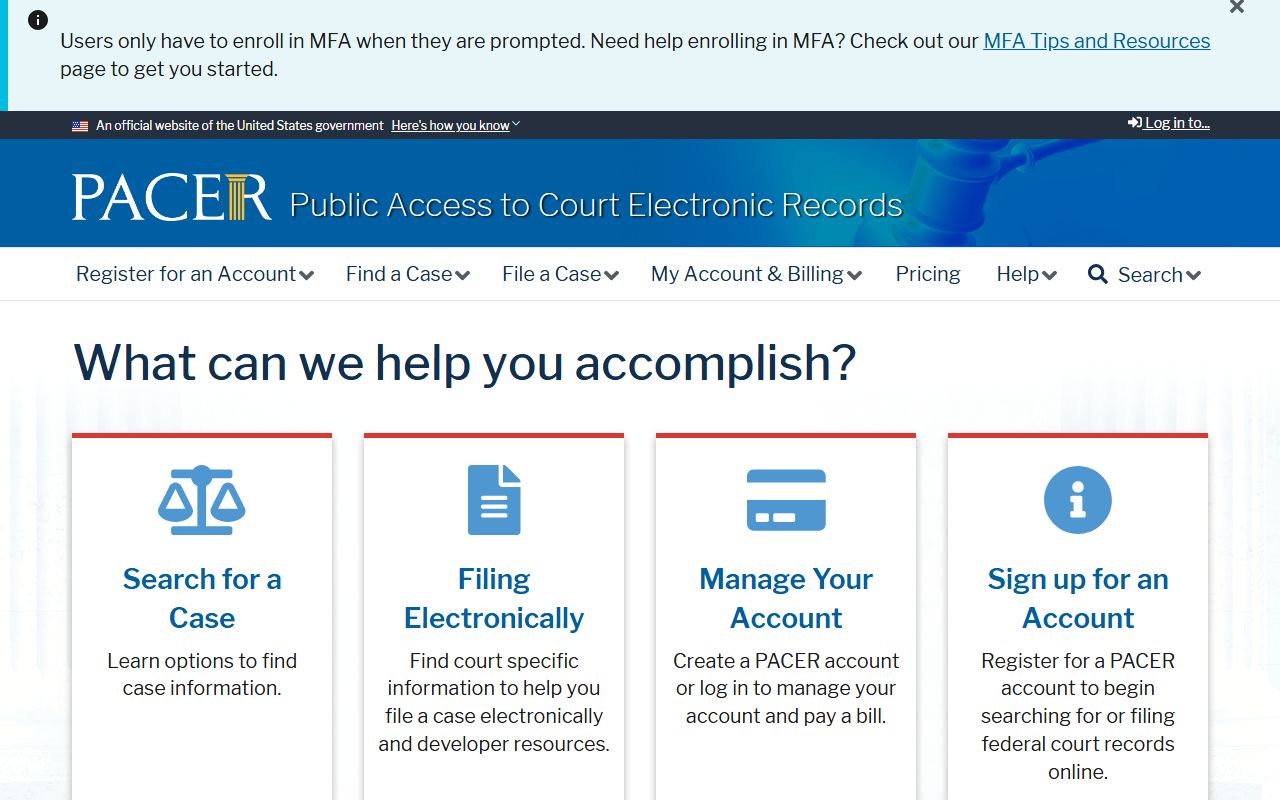
The PACER system gives direct access to every Rowan County bankruptcy filing in the Middle District of North Carolina.
Note: Court fees for copies and searches may change, so call the Winston-Salem office to confirm current rates before visiting.
Nearby Counties
These counties border or sit near Rowan County. Bankruptcy filing location depends on where the debtor lived when the case was filed.